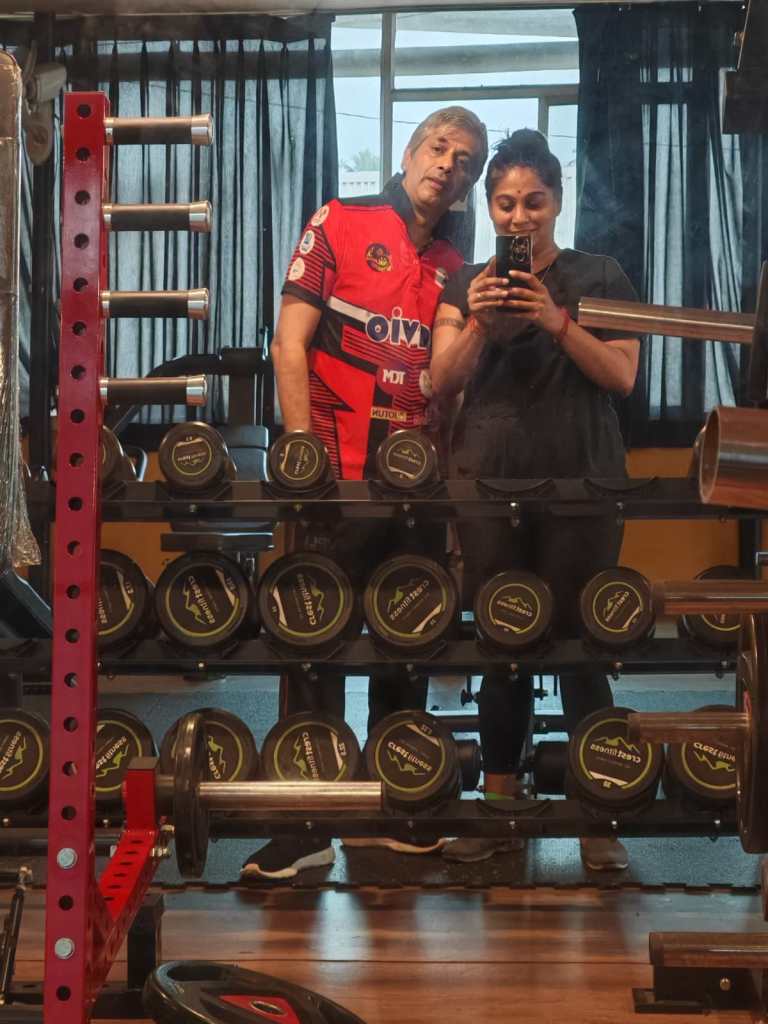
We started going back to the gym after a long gap of three months, and it has slowly settled into a good routine for us. Dropping Rido off for tuition and then heading straight to the gym, picking him up on the way back—it feels familiar and oddly comforting, like muscle memory (even if the muscles disagree). There’s no major weight gain, but no major loss either—my weighing scale and I are currently in a silent cold war. Still, we’re back on track, even if there are a few dramatic “rest days” in between. At this point, consistency is the real workout — and we’re lifting that quite well.
Life, meanwhile, has been full of updates. The past couple of weeks were hectic, leaving me with very little mental space to sit and write in detail. So, like the queen of procrastination that I am, I kept postponing it—mentally drafting masterpieces while physically doing absolutely nothing about them.
One of the highlights during this time was a weekend trip to Thodupuzha, to Doctor’s friend’s house—cum hospital, you could say. A place where you can get diagnosed and detoxed in the same breath. It’s a beautiful abode of healing, tucked right into the heart of the city. You enter Thodupuzha, take a small pocket road, and suddenly you’re standing at the edge of the Thodupuzha River, which merges with the Kaliyar and Kothamangalam rivers to form the Muvattupuzha River—as if even rivers here believe in collaboration over competition.
The property stretches generously along the riverbank, filled with arecanut trees, a jackfruit tree that’s over a hundred years old—fondly called Ammachiplaavu—Irumbapuli (Sour Iron? Clearly my botany knowledge peaks at mango), mango trees, and an entire ecosystem of medicinal plants and herbs. It’s the kind of place where nature does the consulting, and humans quietly take notes.
Our host, also a doctor, runs the hospital with his wife—so healing, clearly, is a family business. We spent a lovely afternoon there—sharing lunch, strolling through the property, and soaking in its unhurried calm. His mother was especially warm, proudly walking me through her vegetable garden like a curator of edible art.
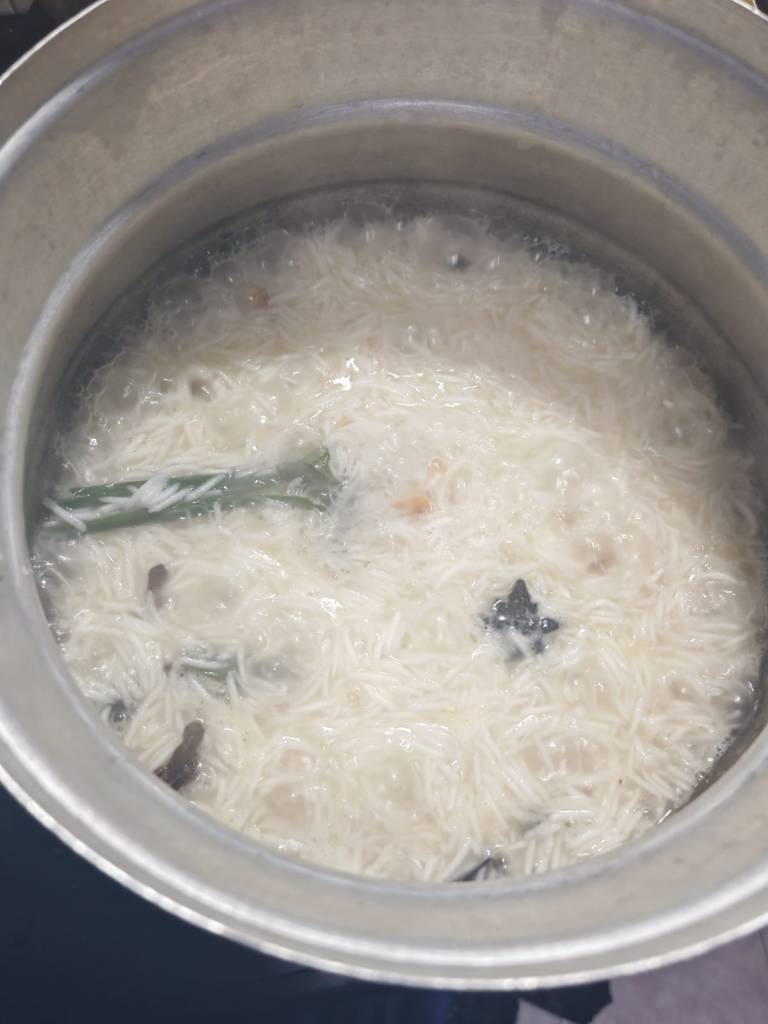
That’s when I met Anupama—a plant whose leaves smell exactly like basmati rice. Apparently, all you have to do is pluck a leaf, tie it into a knot, and toss it into regular rice while cooking—and just like that, your humble weekday meal develops biriyani-level confidence. Naturally, I was sold. She sent me home with a few saplings and fresh produce, and I carried them back like prized contraband from a fragrant underworld of gardening secrets.
We are deeply thankful for their hospitality. It may sound formal for a friendship that has lasted over three decades—but gratitude, like good rice, deserves to be expressed properly.
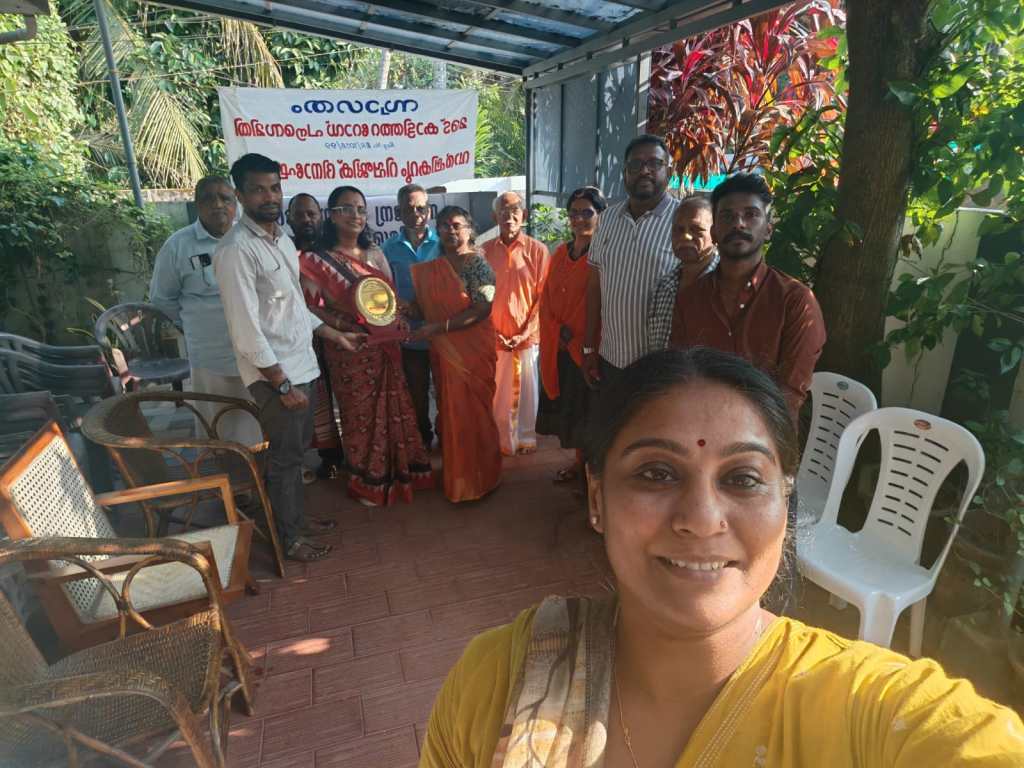
Back at work, I found myself once again immersed in the never-ending process of hiring. When one person joins, another leaves—it’s less an HR department and more a revolving door with paperwork. It’s always about “better opportunities,” and occasionally about wanting to return after discovering that the grass on the other side requires significantly more watering. Maybe we truly are better than most institutions, or maybe people hop the fence expecting manicured lawns and find wilderness instead—while we’ve quietly been nurturing a thriving tropical forest all along.
All I know is that I’ve been here since 2019. I lived through Covid here. We bore the brunt of the pandemic—many survived, a few withdrew—but we stood strong. Not just by existing, but by showing up for the community, keeping our OP open, and handling Covid-19 cases with courage and composure. That phase reinforced my belief in Ayurveda—not just professionally, but personally. I remember testing positive and calmly taking only Ayurveda medicines. While the world panic-bought, I panic-brewed kashayam—and recovered just fine.
The institution went through its share of turbulence before stabilizing. Slowly, better days arrived. I learned so much here—not just about Ayurveda and lifestyle, but about work, resilience, and discipline. I’m especially thankful to Sir for guiding me—even teaching me Excel, which once looked like a spreadsheet of hieroglyphics. Ma’am stood by me through every major decision, steady as ever. Sometimes I wonder why people don’t stay long enough to see what unfolds within an institution. After all, forests don’t grow in a day—and neither do careers.
Over time, I’ve observed that women often overwhelm themselves trying to balance work and life—and yes, I include myself in that marathon. I may have learned to juggle it better with age, but that wisdom was hard-earned (and occasionally tear-stained). So I don’t blame the young women who are newly married, navigating households, in-laws, and toddlers who believe sleep is optional.
The grand Indian joint family has mostly shrunk into neat nuclear units. The “ideal” family now often means a couple, their children, and aging parents—with medical files thicker than recipe books. With a single income rarely enough, the woman becomes a one-woman task force: up at 4:00 a.m., cooking, cleaning, packing, working a full day, returning home for round two of academics, laundry, dinner, and diplomacy. Rinse and repeat. Her stamina could power a small city, yet her contribution is treated like background Wi-Fi—essential, but rarely acknowledged.
Many times, her mother or mother-in-law lived the same script, and the expectations are passed down like heirlooms—slightly polished, never questioned. No wonder women feel stretched, emotionally frayed, or quietly overwhelmed at work—while still being expected to smile, nurture, and remember everyone’s birthday.
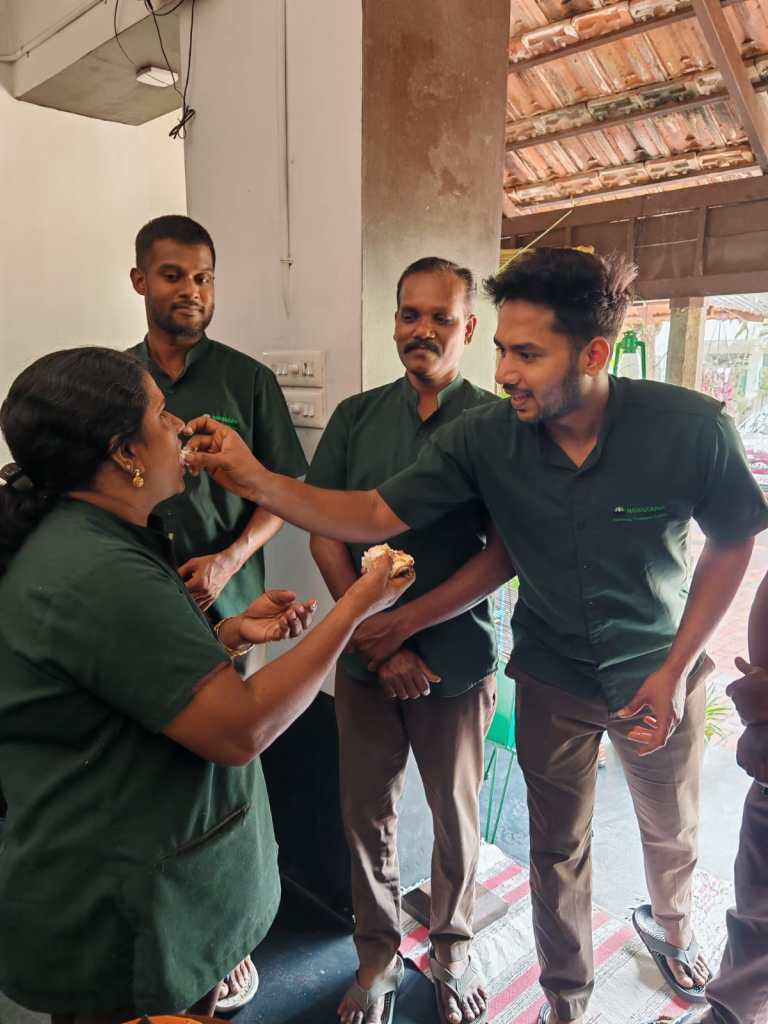
One of my biggest goals is to keep them happy, to truly listen, and to find practical solutions where possible. I can’t fix patriarchy before lunch—but I can adjust shifts, offer empathy, and create breathing space. Some still have to leave, not by choice but by circumstance. And yet, in the midst of it all, we’ve built a small team of loyal, resilient hearts—women who show up, not because it’s easy, but because they are extraordinary.
Amidst all this, an Ottapalam trip quietly slipped in between. Acha’s native place—a land I’m both emotionally and genetically wired to respond to. Acha has been living with dementia for a while now, staying with Amma in Kochi. He is my only living anchor to the extended family, and watching him slowly forget his glorious chapters of theatre, literature, and selfless living feels like seeing a grand library lose its cataloguing system. The books are all still there—just not always in the right order.
Of course, he’s human, complete with quirks and strong opinions—some of which dementia hasn’t managed to edit out. Lately, I’ve been reading his old diaries, while Amma receives photos and stories from his former colleagues—snapshots of a vibrant social life that existed long before marriage entered the script. He married largely for his parents’ sake—a decision very much of that generation, though my modern brain still raises an eyebrow at it. Amma, apparently, wasn’t too enthusiastic about marriage either, so perhaps destiny simply shrugged and said, “You two will manage.” And they did—raising children, caring for elders, building a life stitched together with duty and affection.
Now, Acha drifts gently through a repetitive dreamland, revisiting fragments of memory like reruns of an old black-and-white film. Amma, on the other hand, seems determined to outpace time itself—immersed in Narayaneeyam and Geetha chantings, temple visits, association meetings, and Kudumbasree activities. If Acha has slowed into reflection, Amma has accelerated into devotion. Between the two of them, life continues—one in rewind, the other on fast forward.
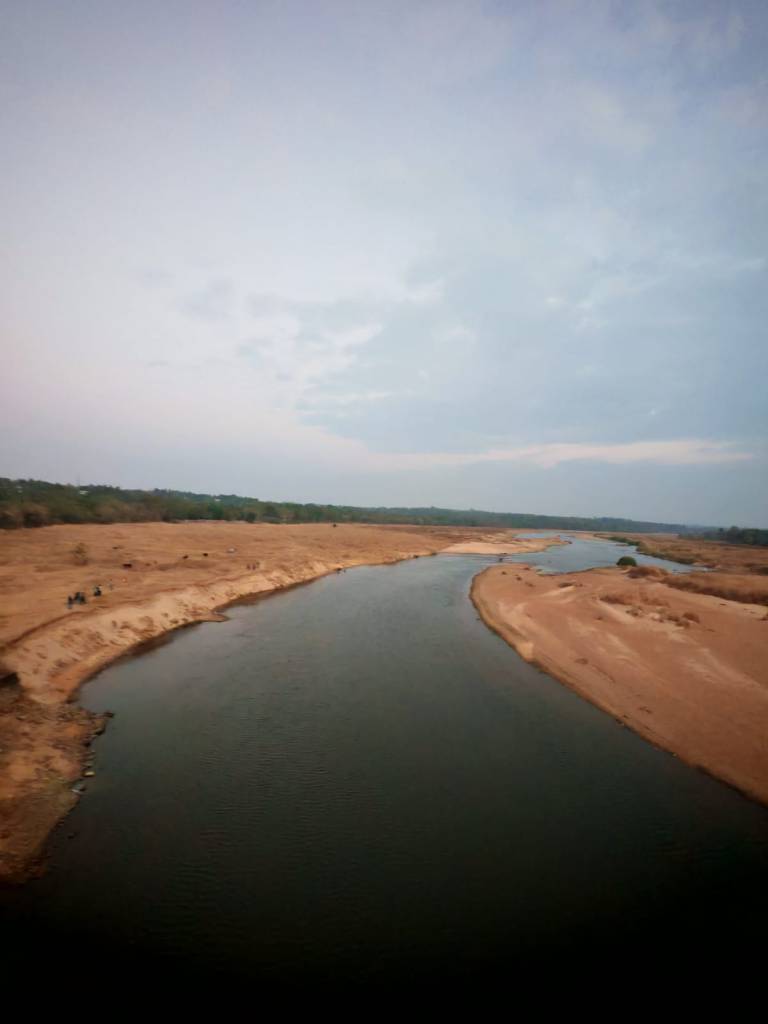
Ever-changing, ever-beautiful soul of Valluvanadu.
Sung by poets, sanctified by words, frozen in frames of cinema.
Here my grandparents rest; here our childhood flowed—
playing, bathing, laughing until moonlight took over the river.
Time moves on.
The river remains.
And emotions linger, like water that never truly leaves.
Watching parents age is perhaps one of life’s deepest pains. We stand there, half-adult and half-child, wishing we could escort them to some mythical land of immortality—fully aware that one day our own children might look at us with the same helpless love. The circle of life doesn’t ask for consent; it simply keeps turning.
The Ottapalam trip itself was for a wedding, and it unfolded in pure joy—especially for Rido. I could see it in his eyes, in his uninhibited laughter, in the way he socialized like a seasoned politician, cracked jokes on cue, and executed pranks with alarming confidence. If childhood had a campaign manager, it would be him.
The trip felt like a sweet hurricane—dramatic entry, emotional whirlwind, excessive food, minimal sleep, maximum laughter—and then, just like that, it was over. We were back in Kochi before we could properly digest either the feast or the feelings. All we carried home were happy exhaustion, lingering smiles, and bonds tied a little tighter than before. For the love and warmth we received—Rido and I—I remain deeply, deliciously grateful.
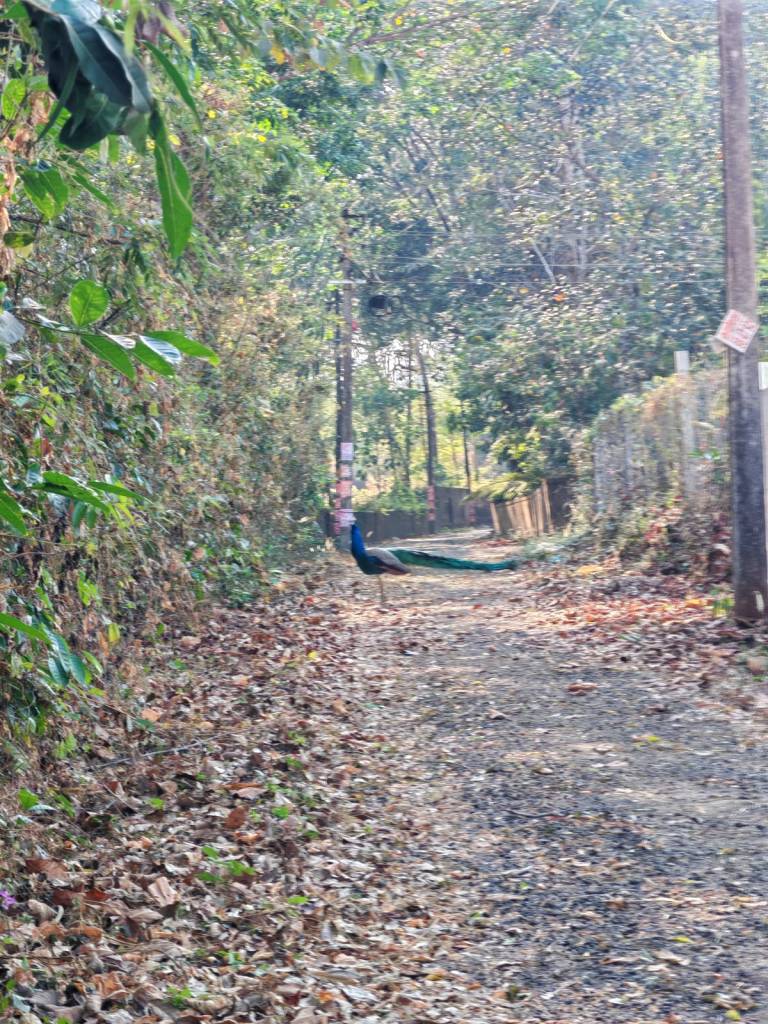
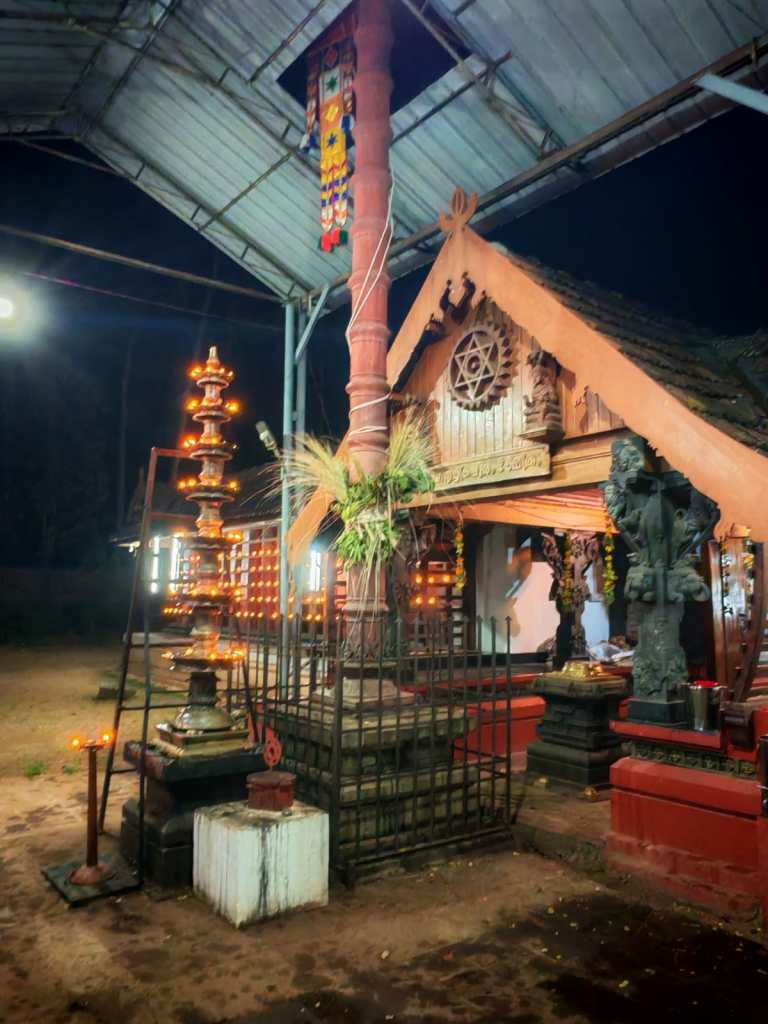
Soon after, we visited Doctor’s Illam—his ancestral home tucked away in a serene village near Thrissur, where time seems to walk instead of run. Nearby stands the ancient family temple, with Sudarshachakra as the main deity—Chakrapani in all his spinning, protective glory. The annual festival was underway, and as tradition goes, Doctor had to report to his divine headquarters for blessings and guidance. Over time, it has quietly become our sanctum too.
So, on a weekday evening, we set out on a soft-spoken pilgrimage to see Chakrapani. It was Rido’s first visit—his initiation into ancestral Wi-Fi. We arrived at dusk, oil lamps flickering all around the temple like the universe had switched to ambient lighting. There were no elephants, no dramatic percussion, no surging crowds—just a handful of villagers, priests, and temple guardians going about their duties with unhurried devotion.
And yet, inside the garbagriha, Chakrapani stood in full glory—radiant, powerful, entirely unbothered by the absence of spectacle. I felt calm, energized, and deeply at peace—like someone had quietly reset my internal system without asking for a password. It was a stillness I hadn’t experienced in a long time, and I carried it home like sacred prasad for the soul.
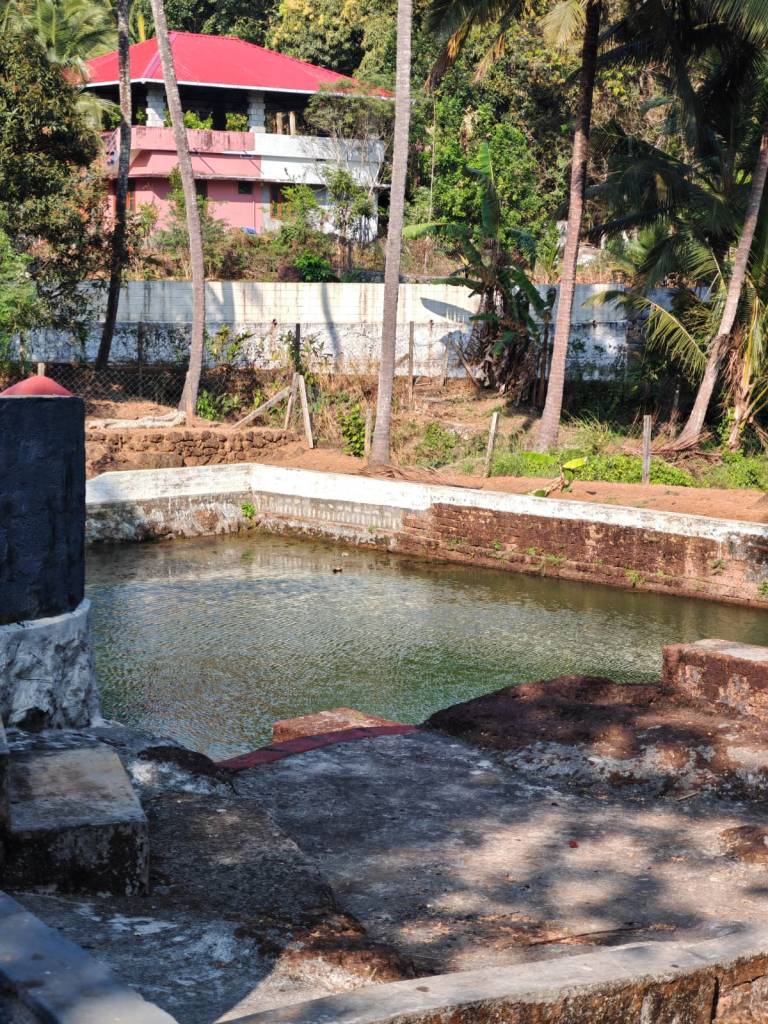
We also visited the ancestral home, hidden amidst dense greenery, with a beautiful pond dug by ancestors for their daily rituals and baths. Watching Doctor and Rido splashing water together felt surreal. The night ended with veg burgers—unsurprisingly, since this is still Kerala—at a local food joint, followed by a quiet drive back home, with Rido fast asleep in the backseat. Back home, my creative mind refused to rest. A business idea that had been lingering for a while demanded attention. And that’s how Padathiyaar Publishing was born—very amateurly, but with potential. Whether it grows or not, time will tell. I shall write more about this soon.
 Between Ink & Intuition
Leave a comment